
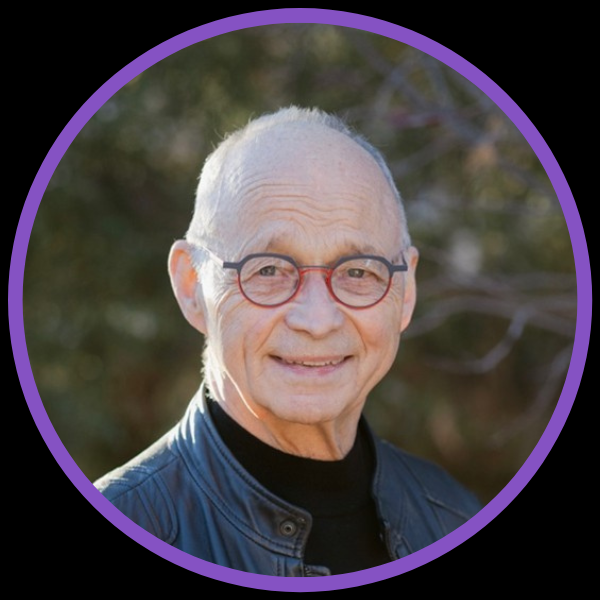
2026 invited Speaker: Erik Craig, EdD
Presenting: Listening to the Mystery of Being: A Road Less Traveled By
So caught up are we in the pettiness, noise, struggles, and distractions of our everyday lives that we tend to forget what is most essential, what undergirds and holds us all in its palm, the simple fact that we exist, and the deeper question of what it means for us to be at all. One might rightly wonder whether such a question can be answered or is even worth asking. As serious a philosopher as Wittgenstein thought not, and many today would agree, insisting that meeting the challenges and savoring the joys of ordinary life is task enough.
Yet for those who continue to wonder – philosophically, theologically, or personally – there still lies Heidegger’s hauntingly mind-opening ontological question, “Why are there beings at all, and why not rather nothing?” Many thinkers consider this question of being – the Seinsfrage – the single most fundamental question of philosophy and life itself. Mystery swirls silently around us. Shall we, dare we, listen?
This session invites us to pause and consider the possibilities and perils of attending to such questions. Beginning with a moment of self-reflection, we will open ourselves to mystery, unknowing, and uncertainty – not to fall into what Abe Maslow called “high IQ whimpering on a cosmic scale” – but to discover the gifts of courageous but gentle existential contemplation. How might listening to the mystery of being deepen our understanding, enrich our lives, and revitalize our therapeutic practice – bringing a soft and steady light to the hours we share with those who seek our help.